
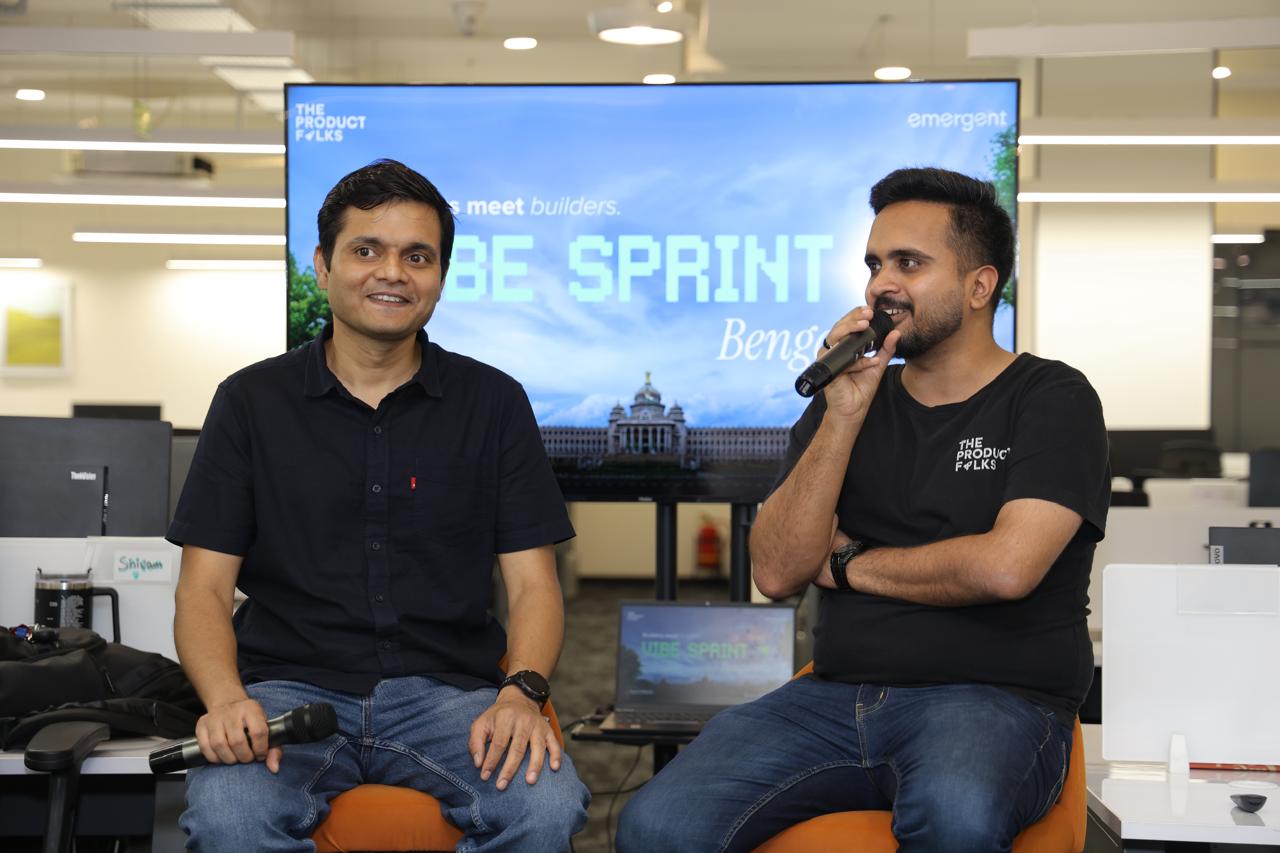
From the Maarket desk
We spend our days talking to early-stage founders, and the problem we hear most isn't building. It's distribution: how do you get the right people to notice, trust, and keep coming back?
Suhas solved that problem years before "community-led GTM" became a slide in every pitch deck. He did it with a room, a WhatsApp group, a newsletter, and a lot of patience. So for this edition of Behind the Product, we skipped the highlight reel and asked him how it actually got built.
What follows is our conversation, lightly edited for length and clarity.
Most communities are launched. The Product Folks was noticed into existence.
| Founded | Members | Cities | Events |
|---|---|---|---|
| May 2019, Bangalore | 240,000+ | 25+ | 1000+ |
In May 2019, Suhas Motwani had just moved into product. He tweeted that it might be interesting to meet other people doing the same work. A few people replied. He booked a room. He did not plan for a movement.
What followed became one of India's most interesting community-building stories: free, volunteer-run, replicated city by city, forced online by a pandemic, and rebuilt into something larger than a meetup. For Behind the Product, we asked Suhas how it actually got built: the early go-to-market, the events, the community mechanics, and the systems that let it scale.
I. The room he wished he'd had
The Product Folks began as a fix for a problem Suhas felt firsthand. Breaking into product, he found the path lonely and opaque, especially for people without a tier-1 background.
"No clear map, few accessible mentors, a lot of cold emails."
So he set out to build the resource he had been missing: a room where people could meet, learn from the best, and find their tribe.
That origin still shapes the rules. TPF is free to attend and run by volunteers. The ambition has grown, Suhas hopes to scale it globally, but the promise of access has not changed.
II. One tweet, one room, sixty people
The first event cost a tweet and a booking. Suhas posted that it would be interesting to meet other people working in product. A handful of encouraging replies came back, so he booked a WeWork in Bangalore for a meetup-and-learn session.
He expected very little. Sixty people walked in.
"That was the signal: people wanted a peer group and proof that they weren't figuring it out alone."
The turnout mattered less as a headcount than as evidence. It proved the demand was not for content alone. People wanted company on a hard path.
III. The MVP was a meetup
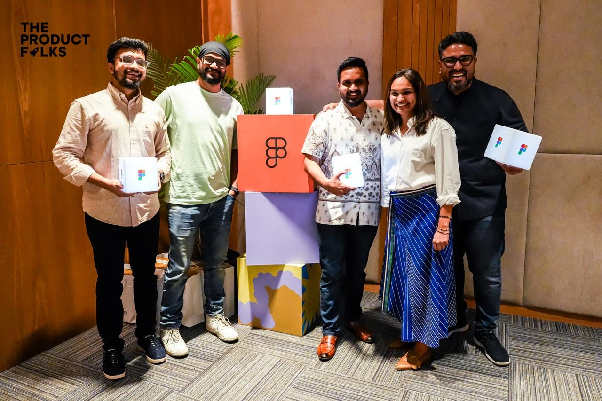
Suhas treated that first night the way a product person treats a validated prototype: as an MVP worth repeating.
The next phase was not about scale. It was about consistency. TPF settled into monthly meetups, with a WhatsApp group anchoring each city between events.
"The idea was to build a rhythm people could trust, rather than make every event a big launch."
It is a quietly radical choice. Many founders chase a bigger launch each time. Suhas chose predictability, and predictability is what turns attendees into regulars.
IV. The GTM engine: offline conviction, online reach
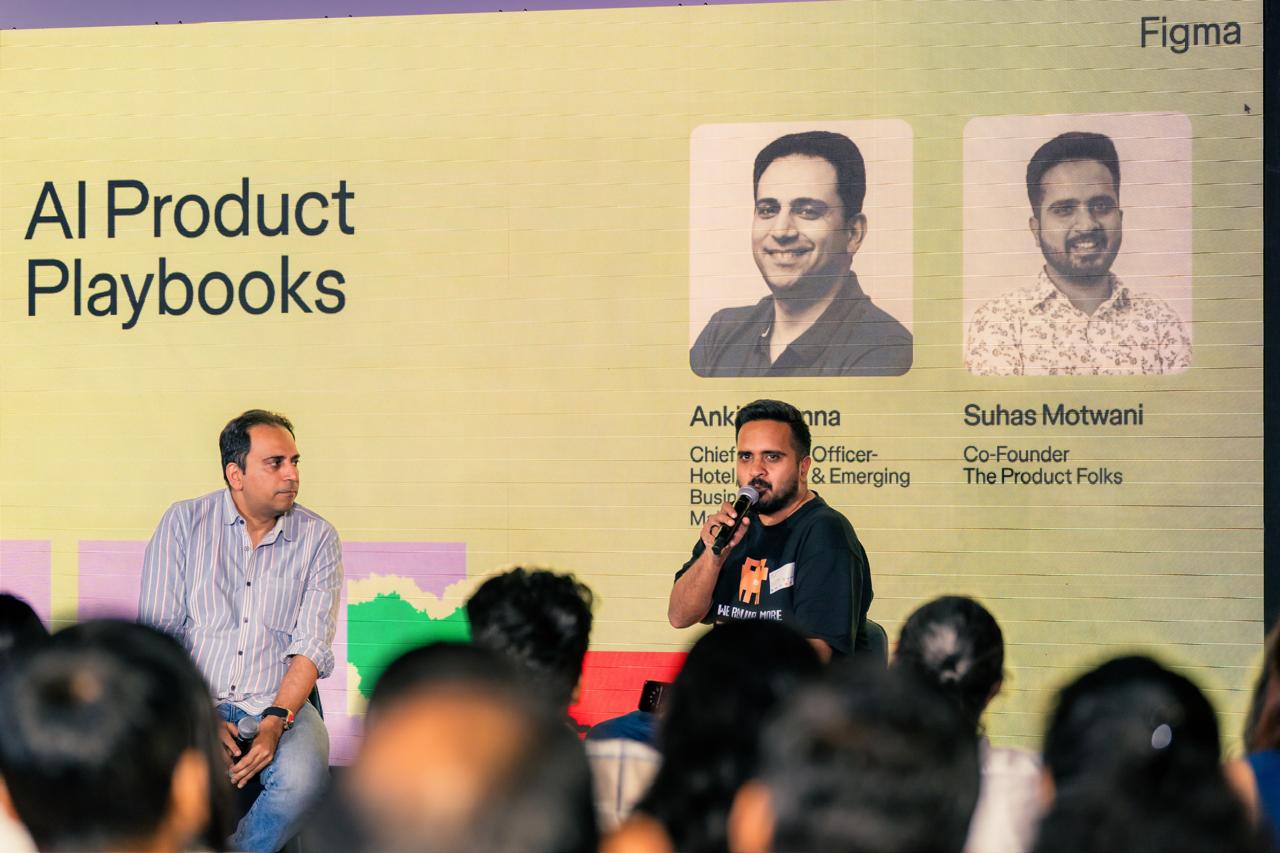
TPF's early distribution was scrappy and stacked. Each channel did one job, and together they gave people a reason to return.
| Channel | The job it did |
|---|---|
| The spark: where the first event was born | |
| The offline room | Built trust and conviction in person |
| LinkedIn event photos | Showed the room to people who weren't in it |
| City WhatsApp groups | Kept members connected between meetups |
| Newsletter | Delivered something useful on a regular cadence |
"The important thing was giving people something useful to come back for."
The format scaled by replication. TPF ran the same playbook city by city. Then the pandemic shut the rooms, and the community had to move online fast. The newsletter became the launchpad for virtual events and a resource library.
Suhas is candid about what he would change.
"In person builds conviction; online gives us distribution... I would have built that online component from day one. Content and community go hand in hand."
Today the single meetup-and-learn format has grown into a range built for different needs: supper clubs, golf sessions, happy-hour meetups, learning sessions and workshops, fun sprints, hackathons, leadership dinners, and conferences. Partners have often helped cover venue and food so the events can stay free.
V. Between the events
An event is a moment. A community is what happens in between. TPF built that middle layer one piece at a time.
City WhatsApp groups and the newsletter came first. The online pivot added a resource library and Slack. Then came the reasons to participate that go beyond the next meetup: jobs, referrals, mentorship, and introductions.
Ask Suhas what holds it together and he answers in one line.
"A community works when there are more givers than takers."
VI. Built from members' needs
TPF did not expand by drawing up a product roadmap. It expanded by listening.
"Most initiatives came from a member's need."
The common thread was always education, mentorship, opportunities, and access. Insurjo, Women in Product, Ally, the jobs board, and the learning library were each a different answer to those needs, usually built and run by volunteers. TPF also started a Community Fund to help other communities get from zero to one.
His filter for anything new is simple: is there a real builder need, and can TPF create useful access, learning, or opportunity around it? Current bets include AI learning content, Product Academy, and The Founder Folks.
The partnership rule
Brands now want access to the TPF audience. The first commercial partnerships were modest: partners covered food and venue so members could keep attending for free.
Suhas guards that principle closely.
"Partnerships should add something useful to the room. The trust in that room has to come first."
For anyone building community-led GTM, that may be the most important sentence in this story. The audience is valuable only because the trust is real.
VII. What the room becomes next
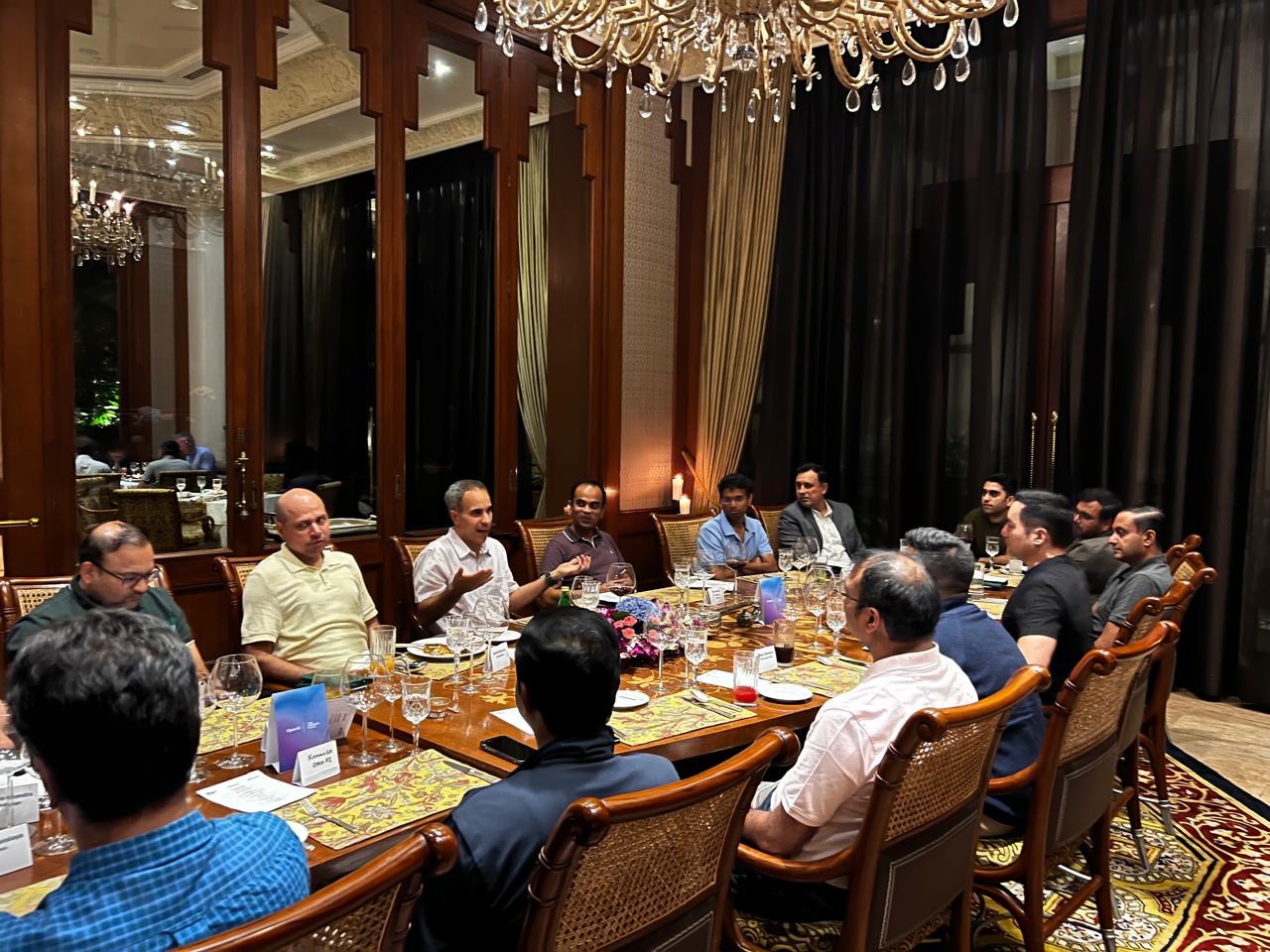
After 25+ cities and hundreds of thousands of builders, Suhas's answer is short.
"A launchpad for builders who want to go global."
The community began with people trying to find their way into product. It now spans builders, leaders, and founders, and the mission has outgrown any single job title or geography.
Yet the core job has not moved an inch. It is still access: better rooms, better peers, useful learning, and opportunities people couldn't easily find alone. Seven years on, The Product Folks is still building the room Suhas wished he'd had, just a much bigger one.
The TPF playbook: 6 lessons for founders
If you are building community-led growth for your own product, here is what Suhas's story teaches.
- Treat your first event as an MVP. Validate demand cheaply, then repeat what worked.
- Rhythm beats spectacle. A predictable monthly cadence earns more trust than an occasional big launch.
- Give every channel one job. The room builds conviction; online builds distribution. Build both from day one.
- Design for the in-between. Groups, a newsletter, jobs, and intros give people reasons to show up when there is no event.
- Let members write the roadmap. TPF's best initiatives started as a member's need.
- Protect the trust in the room. Partners should add value to members, never just extract attention.
Who's next
Seven years after that WeWork evening, Suhas is still building the room he wished he'd had. It's just a lot bigger now.
Behind the Product is Maarket's series on the people building the tools and communities that modern teams rely on. Maarket is where teams discover what modern teams actually use. Know a founder whose story deserves a cover? Tell us at founders@maarket.ai.