
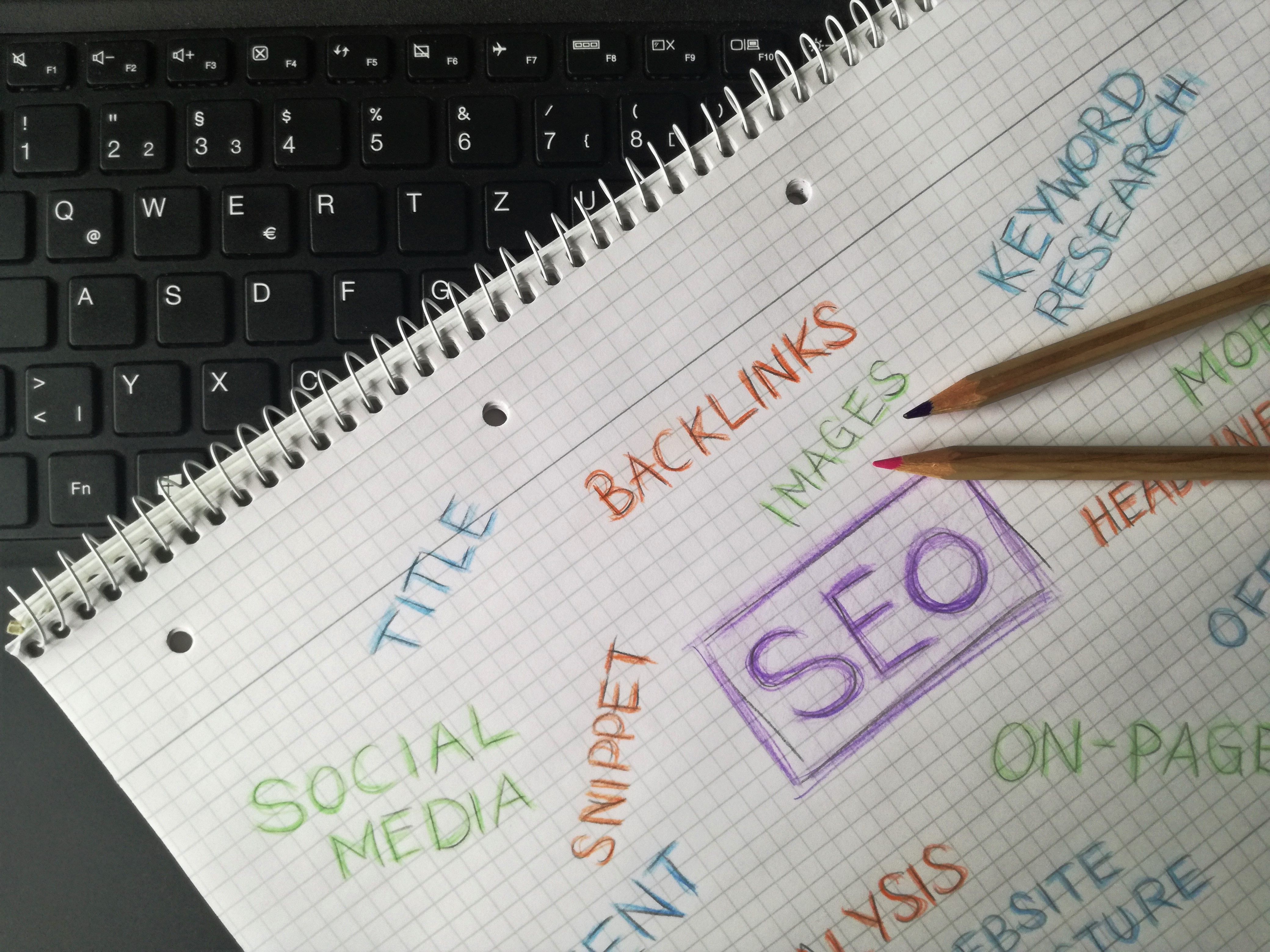
SEO is no longer only about ranking on Google. People increasingly discover companies through AI-generated answers, including ChatGPT, Google AI features, Perplexity, Gemini, and other answer engines. That creates a second visibility problem: can your website rank in traditional search, and does your brand appear when AI answers the same question?
The best SEO and AI visibility tools in 2026 help with one or both sides of that problem. Some are full SEO platforms covering keywords, backlinks, technical audits, and rankings. Others are built specifically to monitor AI mentions, citations, competitors, and share of visibility.
We compared the tools by the job they actually do, with one top pick and one strong alternative for each category.
How we ranked these
We ranked on four things: real-world adoption signals, how well each tool handles its core SEO or AI visibility job, pricing and transparency, and how useful the data is when you actually need to make a decision.
Tools that combine useful data with clear recommendations gain points. Tools that simply produce another dashboard full of metrics lose them. For AI visibility platforms, we also looked at how well they track mentions, citations, competitors, prompts, and changes across different AI search experiences.
The list is editorial, grouped by job rather than hype, and reflects where each tool makes the most sense today. SEO and AI search are changing quickly, so pricing, model coverage, and features should be checked before buying.
All-in-One SEO
If you are serious about organic search, an all-in-one SEO platform is usually the foundation. These tools bring keyword research, competitor analysis, backlinks, site audits, rank tracking, and increasingly AI-search data into one system.
1. Ahrefs - the strongest all-around SEO starting point
Ahrefs is the practical choice if your SEO workflow revolves around understanding what people search for, what competitors rank for, which pages attract backlinks, and where your own site has opportunities.
Its biggest advantage is the depth of its SEO data. Keyword research, Site Explorer, Site Audit, Rank Tracker, competitive analysis, and content research can all live in the same workflow. Ahrefs has also added AI visibility capabilities through Brand Radar, including tracking custom prompts across AI search platforms.
- Best for: SEO teams that want deep search and competitor data in one platform.
- Pricing: Paid plans start at $29/month for Starter, with higher plans providing substantially more data and usage.
- Standout: Strong combination of keyword, backlink, competitor, technical SEO, and AI visibility data.
- Watch out: The deeper you go, the more expensive the platform becomes. It can also be more than a small site needs.
2. Semrush - the better choice for broader marketing workflows
Semrush is a strong alternative when SEO is only one part of a wider digital marketing operation.
It combines keyword research, competitive analysis, site auditing, content workflows, position tracking, and AI visibility features. That makes it particularly useful for teams that want SEO data alongside broader marketing and reporting workflows.
- Best for: Marketing teams that need SEO plus content, competitive research, and AI visibility.
- Pricing: SEO plans start at around $117/month when billed annually, with AI visibility available within its broader SEO + AI Search offering.
- Standout: Broad marketing ecosystem with traditional SEO and AI-search visibility in the same platform.
- Watch out: The number of tools and add-ons can make Semrush feel overwhelming if you only need basic SEO.
AI Visibility Tracking
Traditional rank trackers tell you where a page appears in Google. AI visibility platforms answer a different question: when someone asks an AI system a question about your category, does your brand appear in the answer?
3. Profound - the enterprise choice for AI visibility
Profound is built specifically around visibility in answer engines rather than traditional Google rankings. It tracks how brands appear in AI-generated answers and gives teams visibility into mentions, competitors, citations, and the prompts driving those results. Its higher plans also move beyond monitoring toward content and optimization workflows.
- Best for: Marketing teams and larger companies treating AI search as a serious acquisition channel.
- Pricing: Starts at $99/month for the Starter plan when billed annually, with higher tiers adding more answer engines, prompts, and capabilities.
- Standout: Deep focus on AI search visibility and answer-engine analysis.
- Watch out: The pricing makes more sense for a team actively working on AI visibility than for a small business that simply wants to experiment.
4. Peec AI - the practical mid-market alternative
Peec AI focuses on making AI search analytics easier to monitor and understand without requiring an enterprise-scale platform.
It tracks brand visibility across AI platforms and helps teams understand how they compare with competitors and which prompts matter.
- Best for: SEO and content teams that want dedicated AI-search analytics without moving into enterprise tooling.
- Pricing: Paid plans are structured around tracked prompts, AI models, projects, and usage.
- Standout: Focused AI-search analytics without trying to become a complete traditional SEO suite.
- Watch out: If you need deep keyword research, backlink analysis, or technical SEO, you will still need another SEO platform.
5. Mentionbird - the practical choice for tracking brand visibility
Mentionbird helps businesses monitor brand mentions and visibility across the web and AI-driven search experiences. Instead of relying only on traditional keyword rankings, it gives teams a way to keep track of how their brand is being discussed and surfaced across relevant conversations and search experiences. This can be particularly useful as more customers discover products through AI-generated recommendations and third-party content.
- Best for: SaaS companies, marketers, and smaller teams that want to monitor brand mentions and AI visibility without adding a large enterprise SEO platform.
- Pricing: Plans vary depending on monitoring requirements and usage.
- Standout: Combines brand monitoring with visibility tracking, giving teams a broader view of how their brand is showing up beyond traditional search rankings.
- Watch out: Mentionbird is more focused on visibility and monitoring than deep traditional SEO research, so you may still need a dedicated SEO platform for keyword research, backlinks, technical audits, and rank tracking.
AI Search Monitoring for Smaller Teams
Not every company needs an enterprise AI-search platform. For smaller teams, the priority is often simpler: show me where my brand appears, who appears instead, and what I should pay attention to.
6. Otterly - the easier way to start tracking AI visibility
Otterly is designed around monitoring how brands and products appear in AI search results.
It tracks platforms including ChatGPT, Google AI Overviews, Perplexity, and Microsoft Copilot, with additional AI platforms available depending on the plan. Best for: Smaller SEO and marketing teams that want a dedicated AI visibility tracker without a large enterprise setup.
- Pricing: Plans start at a relatively accessible level and scale according to the number of prompts and tracking requirements.
- Standout: Straightforward AI-search monitoring across several major platforms.
- Watch out: More advanced AI platforms and coverage can require additional spend.
7. Ahrefs Brand Radar - the better option if you already use Ahrefs
If your team already uses Ahrefs, Brand Radar can be a practical way to add AI visibility monitoring without introducing another major platform.
It measures AI visibility using metrics such as mentions, citations, impressions, and AI share of voice, and supports custom prompt tracking across major AI search experiences. Best for: Existing Ahrefs users who want to add AI visibility measurement to their SEO workflow.
- Pricing: AI visibility capabilities are available through Ahrefs plans and Brand Radar options, depending on the level of tracking required.
- Standout: Connects AI visibility data with an established SEO platform.
- Watch out: It makes less sense if you are looking only for a lightweight standalone AI visibility tracker.
Technical SEO
AI visibility does not replace technical SEO. Search engines and AI crawlers still need to discover, crawl, understand, and retrieve your website.
8. Screaming Frog - the classic technical SEO choice
Screaming Frog SEO Spider is one of the most useful tools for understanding what is actually happening on a website. It crawls pages and surfaces issues involving broken links, redirects, metadata, canonical tags, headings, indexability, duplicate content, and other technical SEO problems.
- Best for: SEO professionals and teams that need detailed website crawling.
- Pricing: A free version is available with crawl limits, while the paid license unlocks larger crawls and advanced functionality.
- Standout: Deep technical control and detailed crawl data.
- Watch out: It is powerful but not particularly beginner-friendly.
9. Sitebulb - the easier technical SEO alternative
Sitebulb focuses on technical SEO auditing while putting more emphasis on visual reporting and prioritization. That makes it useful when you need to explain technical SEO problems to clients, developers, or non-SEO stakeholders rather than simply export a huge crawl.
- Best for: SEO teams that want technical audits with clearer prioritization and reporting.
- Pricing: Paid plans vary by usage and auditing requirements.
- Standout: Strong visual explanations of technical SEO issues.
- Watch out: Teams that already have a highly developed Screaming Frog workflow may not gain enough to justify switching.
Content Optimization
Content optimization tools help identify the topics, entities, structure, and terms that should be covered.
10. Surfer - the practical choice for SEO content workflows
Surfer is designed around optimizing content for organic search. It can help writers and SEO teams understand what competing pages cover, identify content opportunities, and optimize articles against search-related signals.
- Best for: Content teams producing SEO-focused articles at scale.
- Pricing: Paid plans vary by content and optimization requirements.
- Standout: Brings SEO guidance directly into the content creation workflow.
- Watch out: Optimization scores should be treated as guidance, not as a formula for ranking.
- Frase - the better choice for research plus content creation
Frase combines content research, search-result analysis, optimization, and AI-assisted writing.
It is particularly useful for smaller content teams that want to go from search research to a draft and optimization workflow in one place.
- Best for: Small content teams that want SEO research and AI-assisted writing together.
- Pricing: Paid plans vary by document, research, and AI usage.
- Standout: Combines search research with content creation.
- Watch out: AI-generated content still needs human editing, original expertise, and fact checking.
Rank Tracking
Rank tracking remains useful even as search becomes more complicated. It tells you whether your organic search strategy is actually changing your visibility over time.
12. SE Ranking - the flexible rank-tracking choice
SE Ranking is a broader SEO platform with a strong emphasis on rank tracking, competitor analysis, website audits, and SEO reporting.
It makes sense for teams that need regular ranking data but do not necessarily want the depth or cost of the largest enterprise SEO platforms.
- Best for: Small and mid-sized SEO teams that want flexible rank tracking and reporting.
- Pricing: Plans vary based on tracked keywords, projects, and usage.
- Standout: Good balance of rank tracking, SEO tools, and reporting.
- Watch out: The breadth of features can still take time to learn.
13. Wincher - the simpler alternative for rank tracking
Wincher is more focused on the core ranking problem: tracking where your keywords appear and how those positions change over time.
That narrower approach can be useful if you do not need a giant SEO platform and mainly want reliable ranking visibility.
- Best for: Businesses that primarily need straightforward keyword rank tracking.
- Pricing: Scales according to tracked keywords and selected features.
- Standout: Simpler approach to monitoring search rankings.
- Watch out: You will need other tools for deeper backlink, content, and technical SEO analysis.
What is the difference between SEO and AI visibility?
Traditional SEO is largely about being discoverable in search results.
AI visibility is about being mentioned, recommended, or cited inside AI-generated answers.
For example, someone might search Google for: "best customer support software for startups" Traditional SEO asks whether your article or product page ranks for that search.
AI visibility asks whether ChatGPT, Perplexity, Gemini, or Google's AI features mention your company when answering the same question.
The two overlap, but they are not identical. A company can rank well in Google and still have weak visibility inside AI answers.
What are AI visibility tools actually measuring?
Most AI visibility platforms track some combination of:
- Mentions: how often your brand appears in an AI answer.
- Citations: which websites or pages AI systems use as sources.
- Share of voice: how often you appear compared with competitors.
- Prompts: the questions being monitored.
- Competitors: which brands appear instead of yours.
- Sentiment or positioning — how the AI describes your brand.
- Visibility trends: whether your presence is increasing or declining.
Frequently Asked Questions
1. What are the best AI visibility tools in 2026?
Profound, Peec AI, Otterly, Ahrefs Brand Radar, and Semrush's AI visibility tools are among the major options to consider. The best choice depends on whether you need enterprise-level monitoring, standalone AI search analytics, or AI visibility alongside traditional SEO.
2. What is GEO in SEO?
GEO stands for Generative Engine Optimization. It generally refers to optimizing a brand's content and online presence so that AI-generated answers are more likely to mention, recommend, or cite it.
3. Is AI visibility the same as SEO?
No. There is significant overlap, but they measure different outcomes. SEO traditionally focuses on visibility in search results, while AI visibility focuses on how brands and sources appear inside AI-generated answers.
4. Should I buy an SEO tool and an AI visibility tool?
Not always. If you are starting from scratch, an all-in-one SEO platform may provide more value. A dedicated AI visibility platform becomes more useful once you have a clear need to monitor AI-generated answers at scale.
Final Take
Start with the visibility problem you actually have. If you need better keyword and competitor data, use an SEO platform. If your Google rankings are healthy but AI assistants rarely mention you, add AI visibility monitoring. And if technical problems are holding everything back, fix the site before buying another dashboard.
The best tool is the one that gives your team enough useful information to make the next SEO decision.
Looking for more SEO and AI visibility software? Explore the tools listed on Maarket and compare the options before adding another subscription to your stack.